
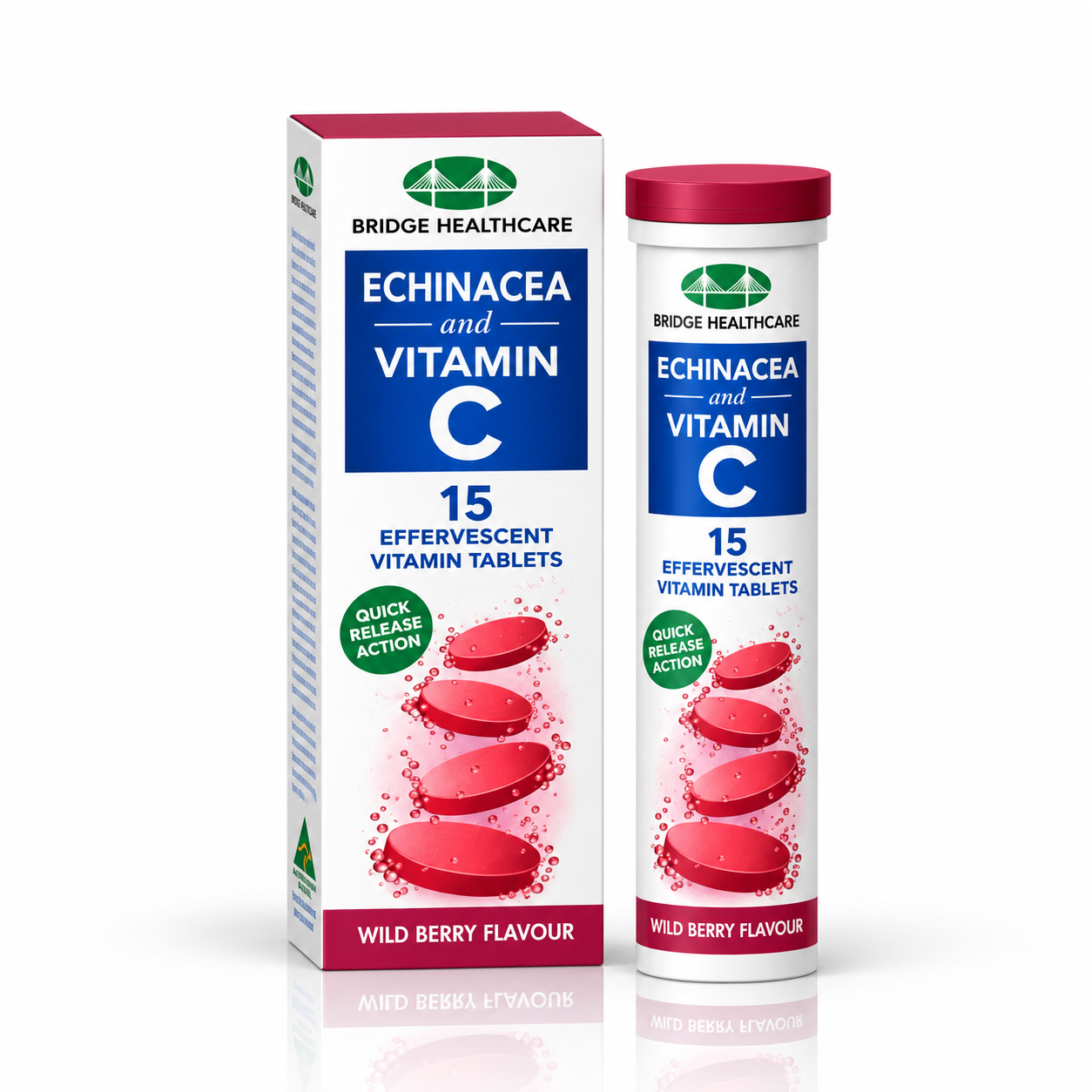
ECHINACEA plus VITAMIN C
Contains Vitamin C and Echinacea that helps to strengthen the immune system and prevent colds and flu.
- Echinacea purpurea (echinacea) extract dry conc. 50 mg equiv. fresh herb top flowering 300 mg.
- Ascorbic acid (vitamin C) 1000 mg.
Indications
Echinacea and Vitamin C Effervescent tablet is a particular formulation based on Echinacea Purpurea and Vitamin C contributes to the correct functioning of the upper respiratory tract.
Echinacea has been used for centuries for its potential health benefits, including supporting immune health, reducing inflammation, and shortening the duration of the common cold and flu.
Pharmacodynamic properties
Ascorbic acid acts as a biological reducing agent in hydrogen transport. It is involved in many enzyme systems for hydroxylation; i.e., hydroxylation of tryptophan, tyrosine, or proline. It is involved in the detoxification of aromatic drugs and also acts in the production of adrenal steroids.
Ascorbic acid is necessary for the formation of hydroxy proline which is a constituent of collagen, a component of intercellular material in bones and soft tissues. Ascorbic acid plays a synergistic role with vitamin E as intracellular antioxidants and free radical traps.
The conversion of folic acid to folinic acid requires vitamin C. Ascorbic acid is involved in the formation of chondroitin sulphate and intercellular ground substance. Ascorbic acid is also involved in erythrocyte maturation.
- Echinacea purpurea (echinacea) extract is loaded with antioxidants, including flavonoids, cichoric acid, and rosmarinic acid. The flower, petals, and root of the echinacea plant have more antioxidants than the green leaves.
- Echinacea Purpurea , with an anti-infectious and immunostimulant action, used for prophylaxis and treatment of diseases affecting the oropharyngeal tract.
- Vitamin C, with an antioxidant action, helps to promote energy and vitality
Posology and method of administration
Children under 18 years - Only as prescribed by a health professional.
Contraindications
- Those with any type of autoimmune disease should not take echinacea. This is because individuals with an autoimmune disease have an overstimulated immune system, and echinacea boosts or stimulates the immune system.
- People with diabetes, leukemia, liver disorders, multiple sclerosis, tuberculosis, HIV, AIDS, or taking immunosuppressants should not consume echinacea.
- Drinking alcohol or smoking while consuming echinacea may impact echinacea’s efficacy. Echinacea may also interfere with how the body processes caffeine, prolonging caffeine’s effects.
- People who are pregnant or breastfeeding should be cautious when taking any supplements, including echinacea.
- Though rare, some individuals may have an allergic reaction to echinacea, including rash, hives, or anaphylaxis.
Special warnings and precautions for use
- Adults only.
- Not recommended for use during pregnancy or breastfeeding.
- Do not exceed the recommended daily dose. If symptoms persist, talk to your health professional
- While it is safe for short-term use, long-term use isn’t recommended
Interaction with other medicinal products and other form of interaction
Always consult your healthcare provider before starting a new supplement to be sure it is safe for you and won’t interact with any medications you are taking.
Pregnancy and lactation
Effects on ability to drive and use machines
Undesirable effects
In some cases, it can lead to unwanted side effects. Echinacea may lead to rashes or itchy skin, some people may experience gastrointestinal issues, like nausea or upset stomach. If any possible side effects occur, you should stop taking this product and seek medical advice immediately
Overdose
Pharmacokinetic properties
- Echinacea extract is a widely used herbal remedy for the treatment of colds and other infections. However, almost nothing is known about the disposition and pharmacokinetics of any of its components, particularly the alkamides and caffeic acid conjugates which are thought to be the active phytochemicals.
- Alkamides were rapidly absorbed and were measurable in plasma 20 min after tablet ingestion and remained detectable for up to 12 h. The maximal concentrations for the sum of alkamides in human plasma were reached within 2.3 h post ingestion and averaged 336+/-131 ng eq/mL plasma. The single dose study provides evidence that alkamides are orally available and that their pharmacokinetics are in agreement with the one dose three times daily regimen already recommended for echinacea.
Ascorbic Acid ( Vitamin C )
- Oral Absorption and Distribution Absorption is mediated by saturable sodium-dependent vitamin C transporters (SVCTs) in the small intestine. At moderate intakes (30–180 mg/day), absorption is 70–90% efficient, but drops to <50% at doses above 1 g/day. Plasma concentrations typically return to a steady-state baseline of 70–85 µmol/L within 24 hours.
- Elimination and Excretion Renal clearance is the dominant elimination pathway. The kidneys tightly reabsorb vitamin C at low plasma levels, but this mechanism saturates at higher concentrations, leading to quantitative urinary excretion of unmetabolized ascorbate.
Pre-clinical safety data
In the meantime, echinacea is also cultivated in Europe as a herbal remedy. Nowadays, Echinacea is one of the most popular immune-boosting medicinal plants. Laboratory tests show that the daisy family can fight viruses, fungi and bacteria. In addition, Echinacea has been shown to have immunostimulatory and anti-inflammatory properties, as well as a regulating effect on the messenger substances of the immune system.
Though it's not supported by the FDA, experts say it is generally safe and well-tolerated.
Incompatibilities
Shelf life
Special precautions for storage
Nature and contents of container
Marketing authorisation number
Marketing authorisation holder
Suite106/10 Edgeworth David Avenue, Hornsby NSW 2077, Australia
Same Category
Related Products
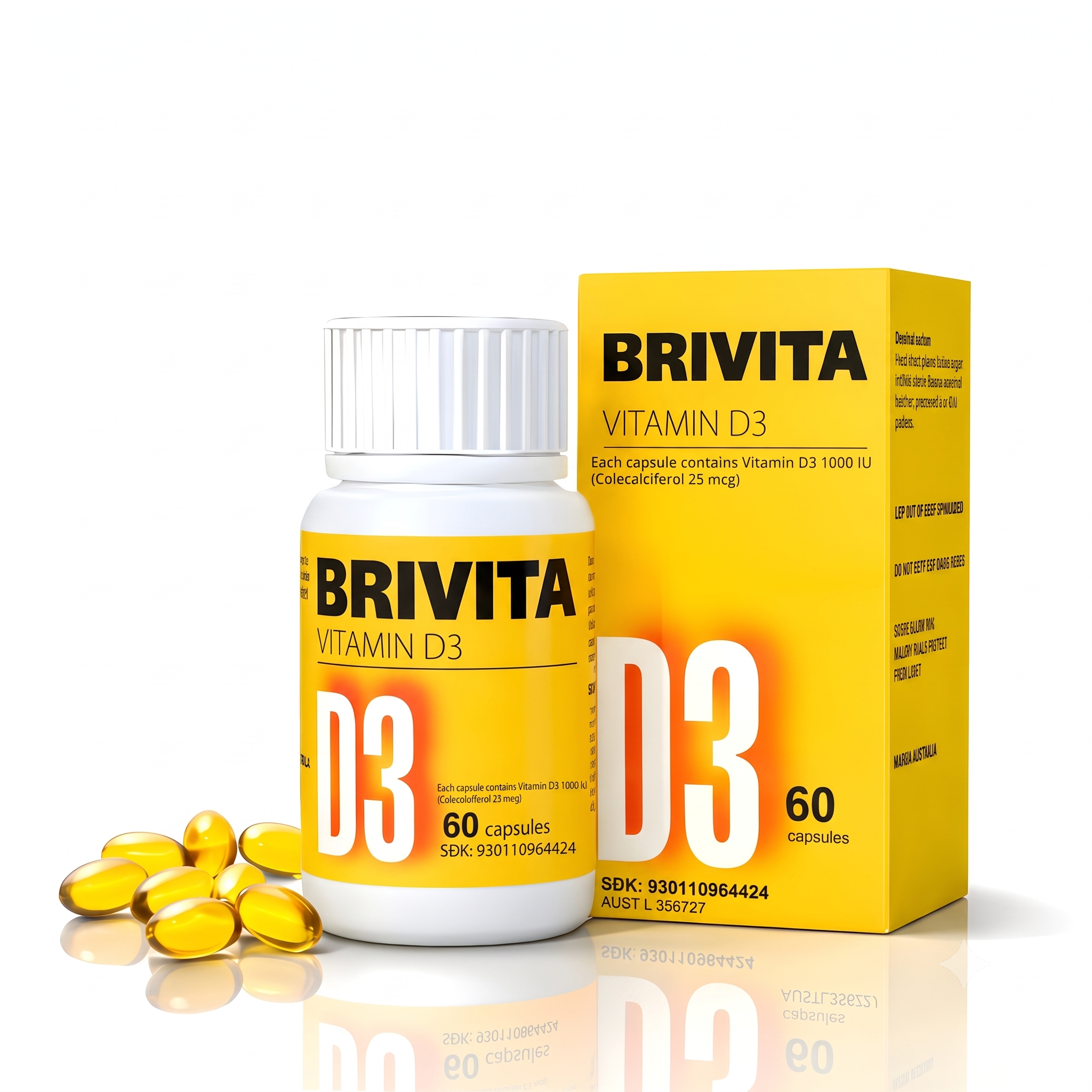
BRIVITA VITAMIN D3
Vitamin D3 is the body’s natural form of Vitamin D – essential for the efficient absorption of calcium and phosphorus which is vital for strong bones, muscle development and the immune system.
Bottle of 60 softgels
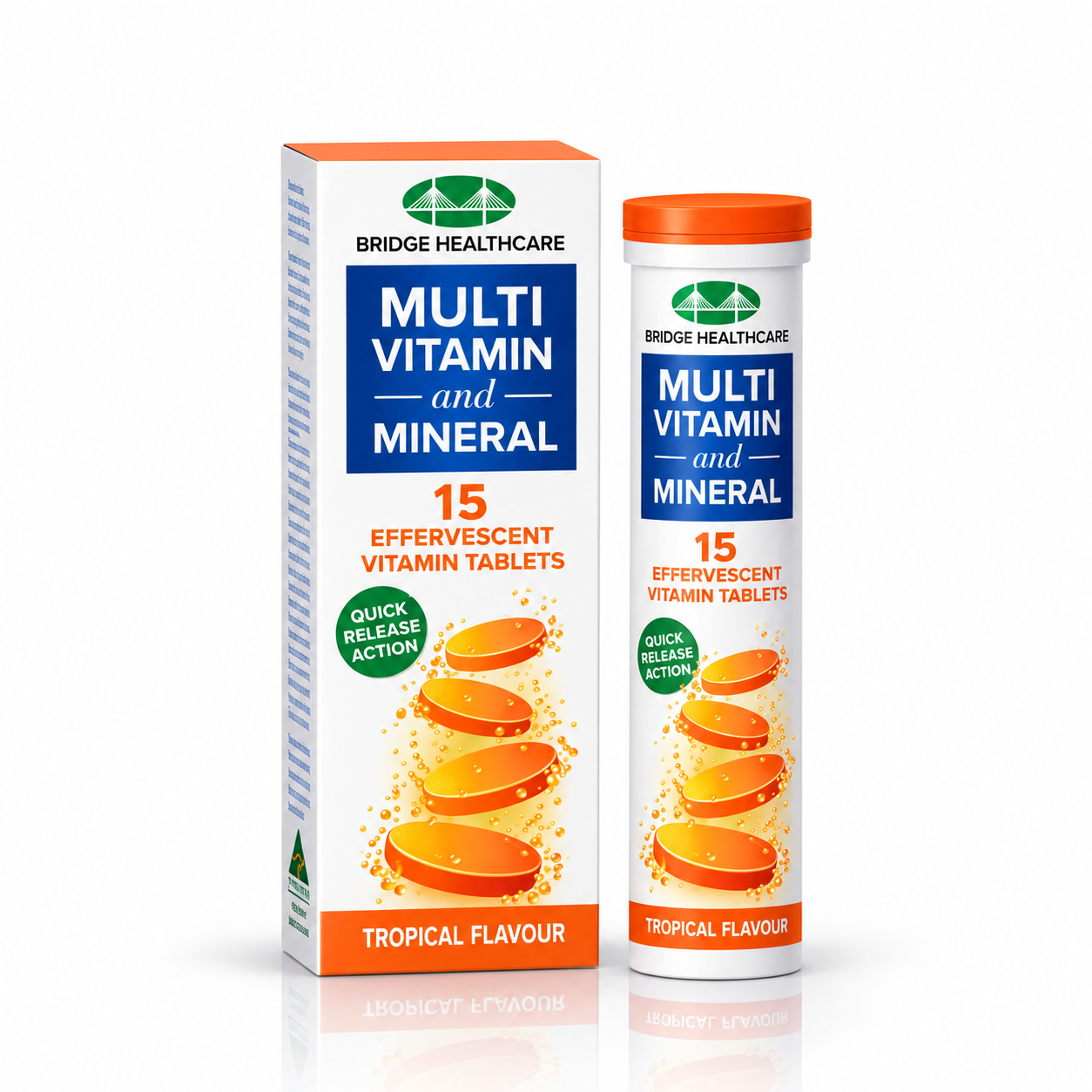
MULTI VITAMIN AND MINERAL
A complete multivitamin and mineral preparation for the prevention and treatment of general vitamin, mineral and trace element deficiencies of different origins due to increased requirements.
Tube of 15 effervescent tablets
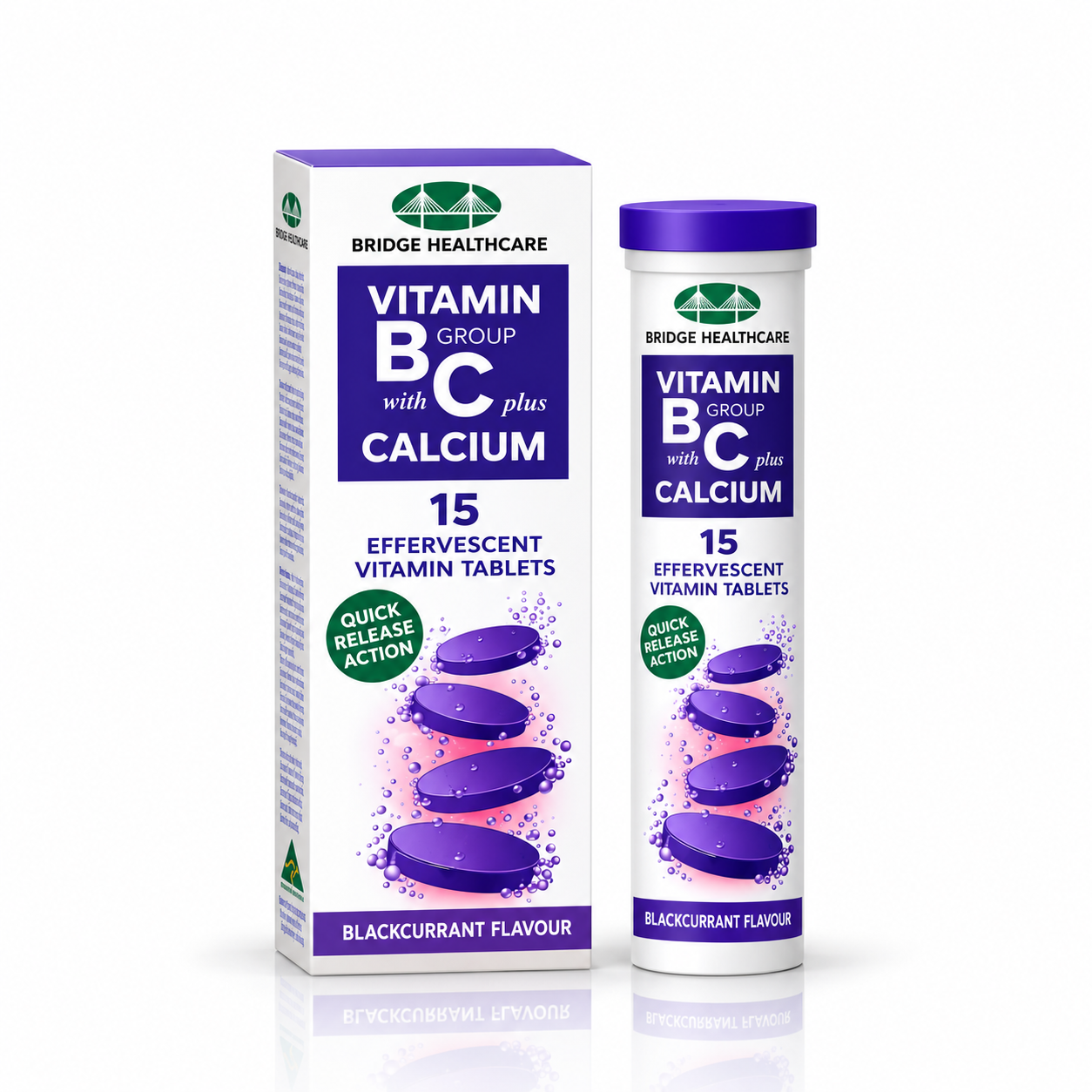
VITAMIN B COMPLEX with C plus CALCIUM
Contains 8 vitamins as a vitamin supplement with the added benefits of calcium. Deficiency and increased requirement of vitamin C and B vitamins. Deficiency and increased requirement of calcium.
Tube of 15 effervescent tablets