
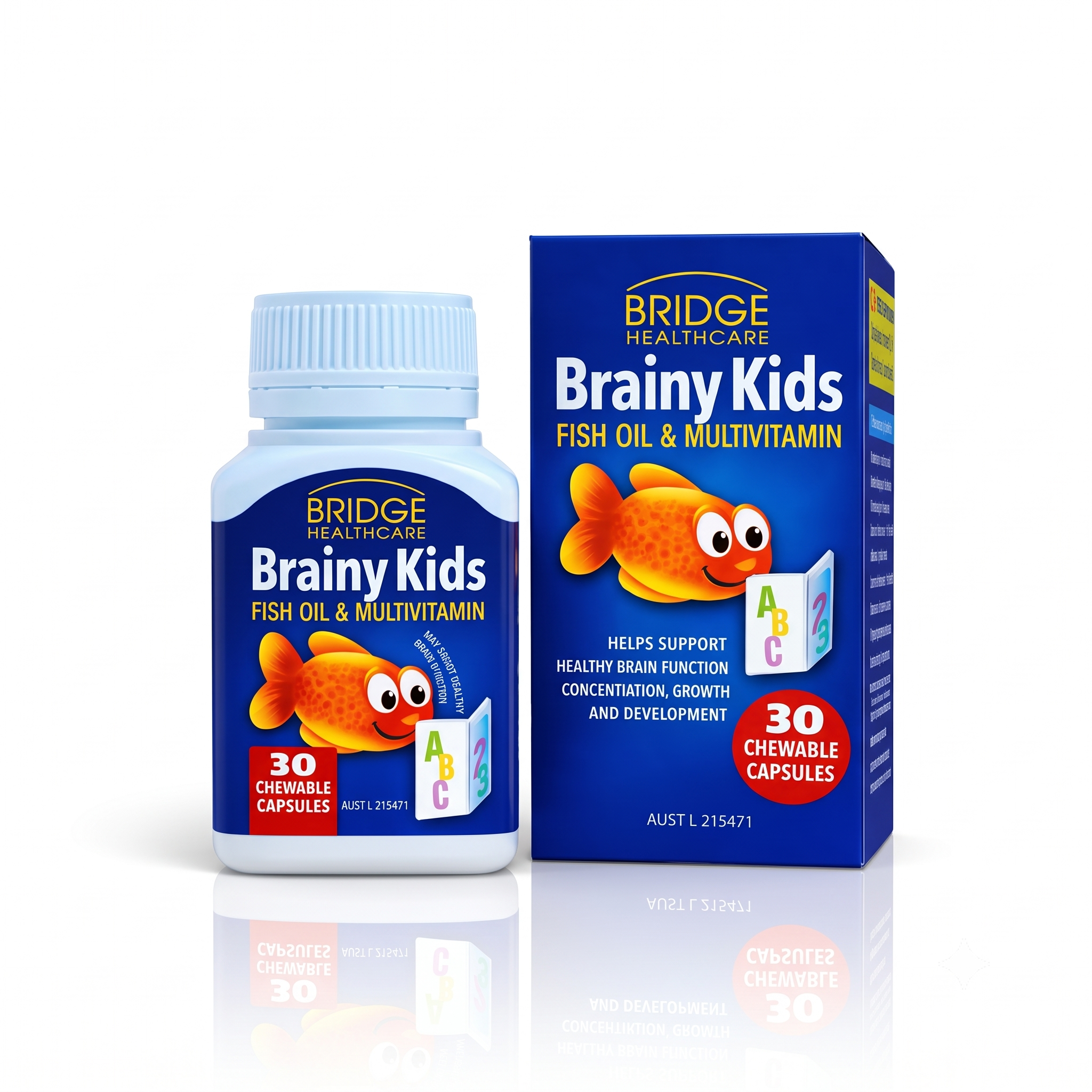
BRAINY KIDS
Omega-3 nutrients plus vitamins to assist healthy brain function helping to improve reading, spelling and behaviors
Brainy Kids capsules is great tasting with blackcurrant flavour, provide all the necessary fish oil ingredients, and are "brain food" for children.
Composition
Active ingredients
- Riboflavin 1,75 mg
- Thiamine nitrate 750 mcg
- Cyanocobalamin 1 mcg
- Potassium iodide 26,2 mcg
- Equivalent to Iodine 20 mcg
- Concentrated omega-3 triglycerides 300 mg
- As Eicosapentaenoic acid 90 mg - Docosahexaenoic acid 60 mg
- This product also contains glycerol 86,93 mg/capsule
Excipient ingredients
Beeswax yellow, vegetable oil- hydrogenated, soya oil, lecithin, orange oil, D-alpha tocopherol, sucralose, frusil concentrated blackcurrant juice powder, frusil natural blackcurrant flavour, glycerol, gelatin, iron oxide red.
There have been many studies proving that omega 3 fish oil can help improve children's memory, learning ability and behavior. B vitamins and Iodine are essential substances for function, physical and intellectual development.
BRAINY KIDS is necessary for children because:
Omega -3 fish oil deficiency may cause problems with learning, memory and behavior.
Omega-3 fish oil may promotes healthy brain function and can helps improve children's reading, spelling and behavior skills, and may also help improve attension and self-control.
Therapeutic indications
Brainy Kids is needed for children because:
- A deficiency of omega-3 may cause problems with learning, memory and behavior
- EPA and DHA of omega-3 may promote healthy brain function and can help improve behavior in some children. May also help some children by improving attention and self-control
Posology and method of administration
Method of administration: Oral or chew. For chewing, place the Brainy Kids capsule directly into the mouth and chew, when the capsule breaks, the aroma and sweetness of the blackcurrant juice will taste. The capsule shell is sweet and edible
Contraindications
- Brainy Kids must not be given to children who are allergic to shellfish as the active substance is obtained from shellfish
Special warnings and precautions for use
Before taking omega-3 tell your doctor or pharmacist if you are allergic to them or to fish or if you have any other allergies.
Missed dose: If you are taking this product on a regular schedule and miss a dose, take it as soos as you remember. If it is near the time of the next dose, skip the missed dose. Take your next dose at the regular time. Do not double the dose to catch up.
Glycerol (C3H8O3):
The product contains glycerol 86.93 mg/capsule. Glycerol also known as glycerine, is an odorless, colorless, oily, viscous liquid that has a sweet taste.
Glycerin occurs naturally in animal and vegetable fats and oils that are consumed as part of a normal diet. Glycerin is readily absorbed from the intestine and is either metabolized to carbon dioxide and glycogen or used in the synthesis of body fats.
Glycerin is used in a wide variety of pharmaceutical formulations including oral, ophthalmic, parenteral, and topical preparations. Adverse effects are mainly due to the dehydrating properties of glycerin.
The U.S. Food and Drug Administration (FDA) classify glycerin as “generally recognized as safe” (GRAS). The overall risk of toxicity from glycerin found in pharmaceutical products is low. When used as an excipient or food additive, glycerin is not usually associated with any adverse effects and is generally regarded as a nontoxic and nonirritant material.
Interaction with other medicinal products and other forms of interaction
Pregnancy and lactation
It is not known whether this product passes into breast milk. Consult your doctor before breast-feeding.
Effects on ability to drive and use machines
Undesirable effects
Very common: ≥ 1/10, Common ≥ 1/100, Uncommon ≥ 1/1,000 - ≤1/100, Rare: ≥ 10,000 - <1/1,000, Very rare <1/10,000 , unknown ( cannot be estimated on statistics)
Adverse reactions are grouped by system organ class:
- Immune system disorders. Rare : hypersensitivity
- Metabolism and nutrition disorders. Uncommon: hyperglycaemia, gout
- Nervous system disorders. Uncommon: dizziness, dysgeusia, headache
- Vascular disorders. Uncommon : hypotension
- Respiratory thoracic and mediastinal disorders. Uncommon: epistaxis
- Gastrointestinal disorders. Common: abdominal pain, constipation, diarrhea, dyspepsia, flatulence, eructation, nausea or vomiting. Uncommon: gastrointestinal hemorrhage
- Hepatobillary disorders. Rare: transaminases increased, alanine aminotransferase increased
- Skin and subcutaneous tissue disorders. Uncommon: rash. Rare: urticaria. Not known: pruritus
Overdose
There are no special recommendations. Treatment should be symptomatic
Pharmacodynamic properties
The vitamin B-complex comprises a group of water-soluble factors. It is known that nearly every vitamin of the B-complex forms part of a co-enzyme essential for the metabolism of protein, carbohydrate or fatty acid.
Thiamine (Vitamin B1): It is a co-enzyme for carbohydrate metabolism. Vitamin B1 is responsible for energy production in your child’s body.
- This vitamin is crucial for converting sugar and other carbohydrates into energy.
- It protects the nervous system from any kind of damage or degeneration.
- And most importantly, it is necessary for passing on messages from brain (nervous system) to different organs of body.
Riboflavine (Vitamin B2): converted in the body to flavine mononucleotide and flavine adenine dinucleotide and then involved as co-enzymes in oxidative and reductive metabolic processes.
Riboflavine is phosphorylated to flavine mononucleotide and flavine adenine dinucleotide which act as co-enzymes in the respiratory chain and in oxidative phosphorylation. Riboflavine deficiency presents with ocular symptoms, as well as lesions on the lips and at angles of the mouth.
Cyanocobalamin (Vitamin B12): Vitamin B12 is essential for old and young alike.
- It is important for DNA synthesis and has innumerable benefits for young children.
- It fights against asthma in children and also helps in some extent to combat against HIV aids.
- This vitamin also helps in production of red blood cells and maintains efficient nervous system.
Iodine (Potassium Iodide) : Iodine is an essential trace mineral, required for the production of thyroid hormone. Iodine deficiency may result in goiter, hypothyroidism, miscarriage, stillbirth, congenital anomalies, infant and neonatal mortality, and impaired growth. Adequate thyroid hormone is critically important for normal growth and neurodevelopment in fetal life, infancy and childhood.
Iodine deficiency is the main cause of brain damage in childhood. It results in impaired cognitive and motor development which affects a child’s performance at school
Young children are also particularly at risk because the brain still needs iodine for its development during the first two years of life. In addition, iodine deficiency in children is responsible for disorders in physical and cognitive development, and hypothyroidism.
Omega-3 fatty acids eicosapentaenoic acid (EPA) and docosahexaenoic acid (DHA)
Decades of research have established the benefits of omega-3 fatty acids eicosapentaenoic acid (EPA) and docosahexaenoic acid (DHA) for children’s cellular structure and function, neurological and cognitive development, and immune health.
Childhood is characterized by periods of rapid growth and development. Because EPA and DHA are foundational nutrients that take part in many of the structural and functional activities occurring within cells, they are considered necessary for normal growth and development.
The significance of obtaining sufficient EPA and DHA during childhood is illustrated by research studies showing positive benefits when omega-3s are abundant in supply, and negative consequences when omega-3 levels are lacking.
Adequate omega-3 levels help support children’s physical, cognitive, and social development by promoting:
- normal brain and central nervous system function.
- a healthy immune response and respiratory wellness.
- focus and attention regulation.
- cognitive skills such as reading and math.
Pharmacokinetic properties
Riboflavin (Vitamin B2): Riboflavine is absorbed from the gastro-intestinal tract and in the circulation is bound to plasma proteins. It is widely distributed, little is stored and excess amounts are excreted in the urine. In the body riboflavine is converted to flavine mononucleotide (FMN) and then to flavine adenine dinucleotide (FAD).
Cyanocobalamin (Vitamin B12): Vitamin B12 is absorbed from the gastro-intestinal tract and is extensively bound to specific plasma proteins. A study with labelled Vitamin B12 showed it was quickly taken up by the intestinal mucosa and held there for 2 - 3 hours. Peak concentrations in the blood and tissues did not occur until 8 - 12 hours after dosage with maximum concentrations in the liver within 24 hours.
Vitamin B12 are stored in the liver, excreted in the bile and undergo enterohepatic recycling. Part of a dose is excreted in the urine, most of it in the first eight hours.
Potassium Iodide (Iodine)
Absorption
Orally administered iodine is converted in inorganic iodide and it is almost completely absorbed from the gastrointestinal tract. Absorption is completed 2 hours after oral administration.
Distribution
Iodine in the systemic circulation is being exchanged rapidly between erythrocytes and extracellular liquid. In children and adolescents the iodine uptake by the thyroid is higher than in adults. In elderly persons, however, a significant reduction was observed.
If iodine doses are administered on an empty stomach, the half maximum thyroid uptake is reached after approximately 4 hours, although the duration is between 2.5 and 6.5 hours for most of the patients.
Biotransformation
Iodine undergoes organification in the thyroid, i.e. it is being oxidized and linked to thyroglobulin. The thyroid hormones thyroxine (T4) and triiodothyronine (T3) are being synthetized via oxidative condensation of the iodated intermediates monoiodotyrosine (MIT) and diiodotyrosine (DIT) inside the thyroglobulin complex.
Hormone secretion takes place by way of pinocytosis followed by proteolytic release of T4 and T3 from thyroglobulin.
Elimination
The main elimination (95%) occurs via the kidneys and amounts for approximately 30 to 40 ml/min. Renal elimination rate is not influenced by iodine intake or iodine serum levels.
In pregnant women there is an increased elimination of iodide which may cause iodine deficiency. Only small amounts of iodine have been found in faeces (approximately 1% of the total iodine elimination). Iodine is being excreted into breast milk in considerable amounts (10-15% of the intake).
Omega-3: During and after absorption, there are three main pathways for the metabolism of the omega-3 fatty acids:
- the fatty acids are first transported to the liver where they are incorporated into various categories of lipoproteins and then channelled to the peripheral lipid stores;
- the cell membrane phospholipids are replaced by lipoprotein phospholipids and the fatty acids can then act as precursors for various eicosanoids;
- the majority is oxidised to meet energy requirements.
The concentration of omega-3 fatty acids, EPA and DHA, in the plasma phospholipids corresponds to the EPA and DHA incorporated into the cell membranes.
Pre-clinical safety data
Incompatibilities
Shelf life
Special precautions for storage
Special precautions for disposal of a used medicinal product or waste materials derived from such medicinal product and other handling of the product
Marketing authorisation number
Marketing authorisation holder
Suite106/10 Edgeworth David Avenue, Hornsby NSW 2077, Australia
Same Category
Related Products
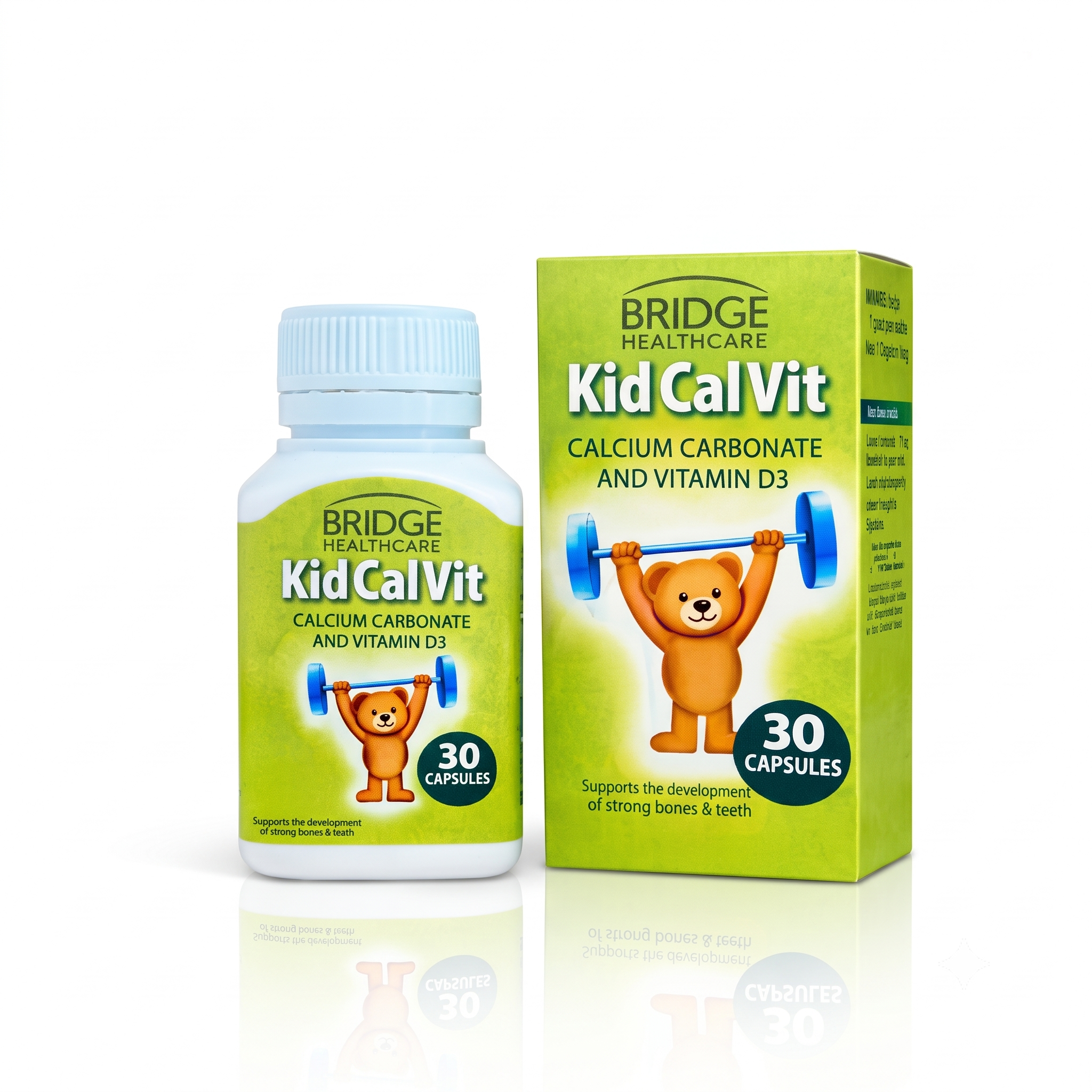
KIDCALVIT
Provide children three years and older with the benefits of both Calcium and Vitamin D3
Bottle of 30 chewable capsules
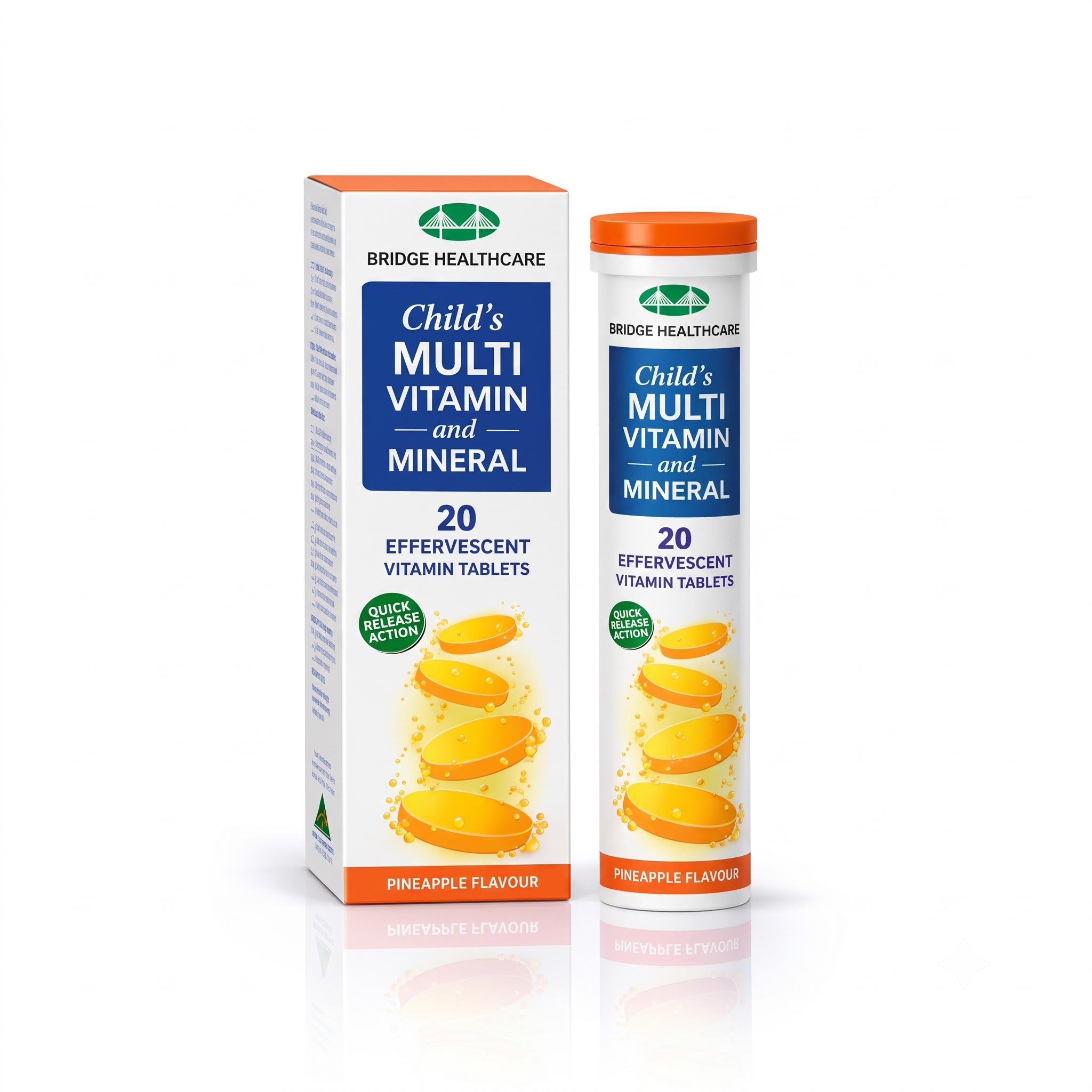
CHILD'S MULTIVITAMIN AND MINERAL
Vitamin and mineral supplements, extra Vitamin C for children. As a therapeutic nutritional adjunct in conditions where the absorption of vitamins and minerals is suboptimal
Tube of 20 effervescent vitamin tablets