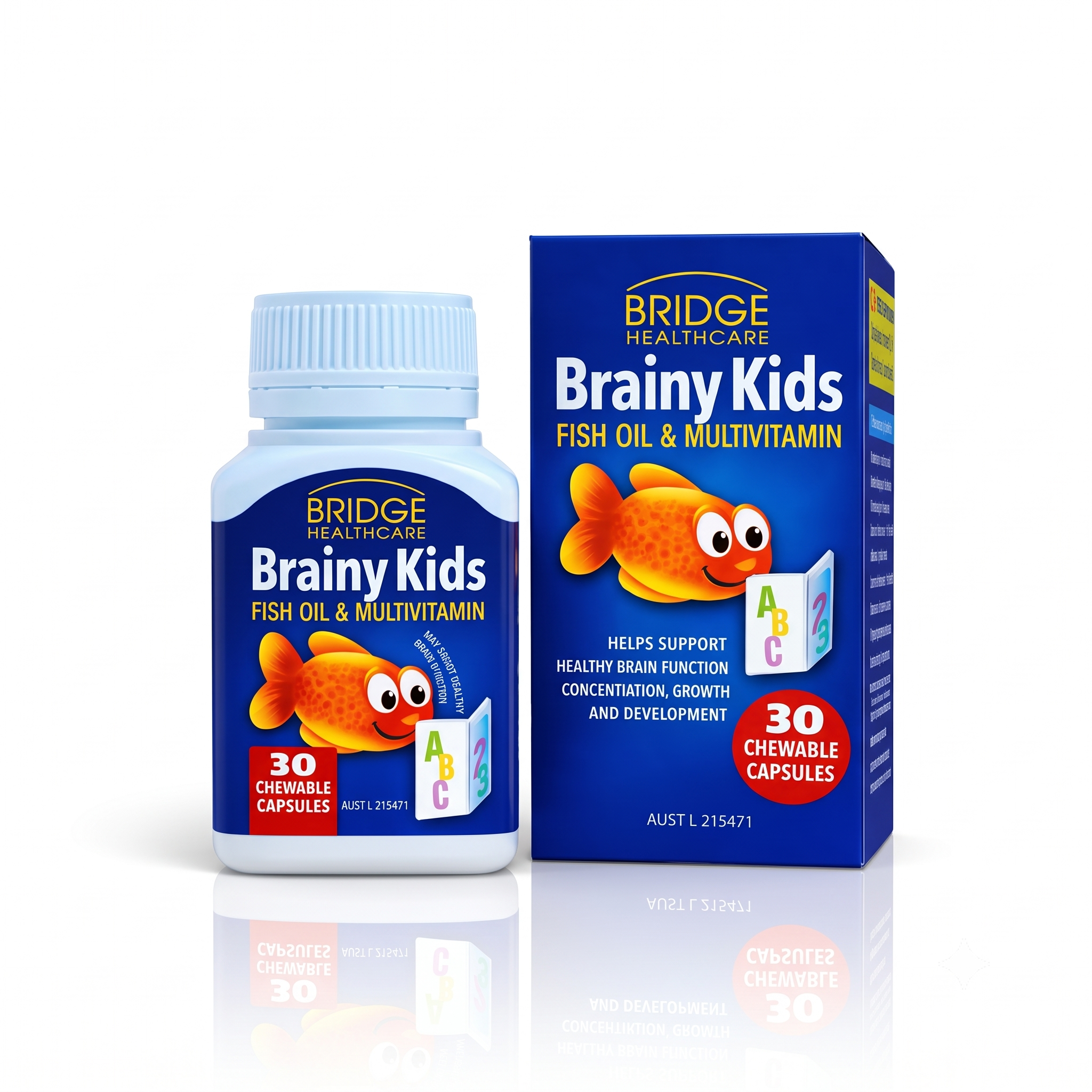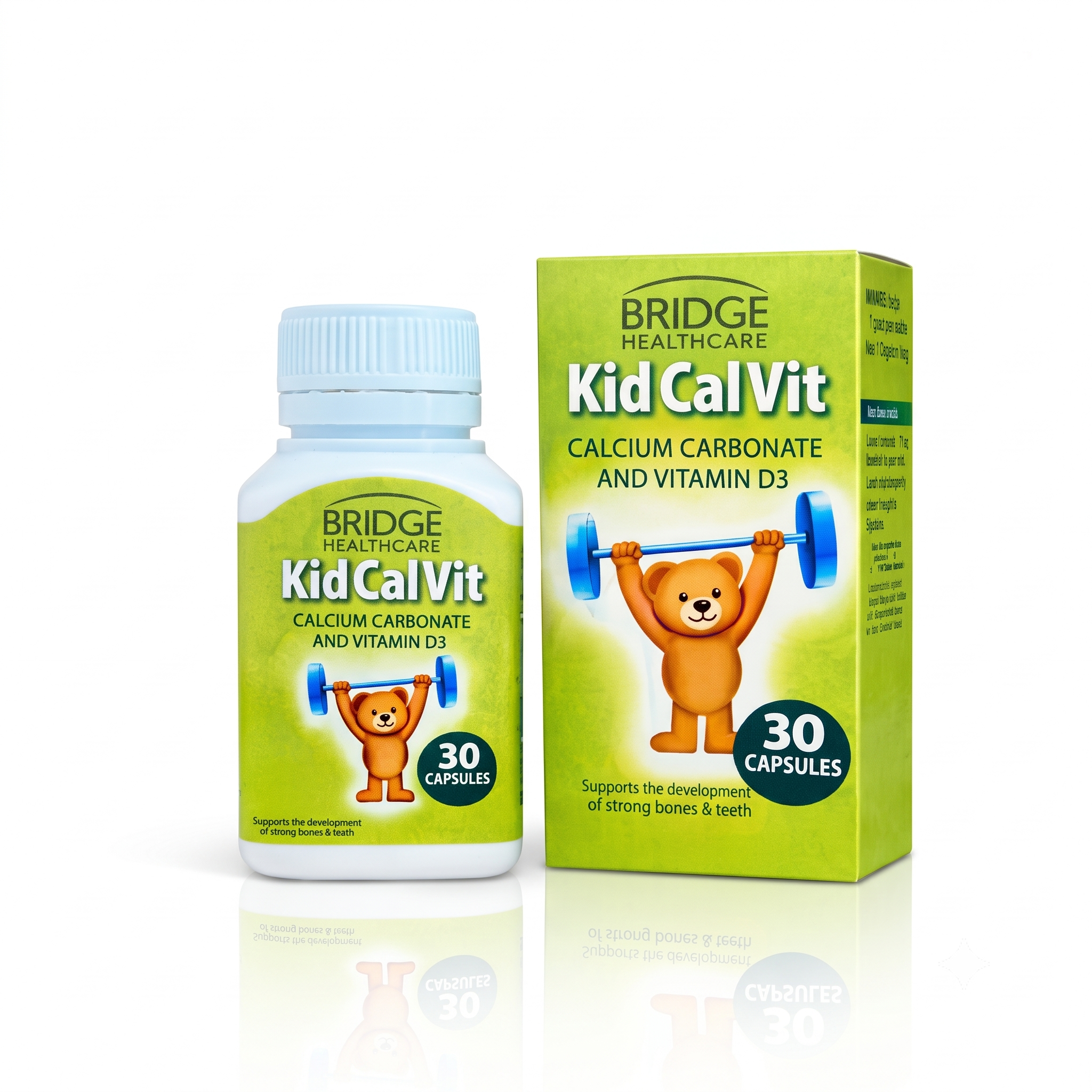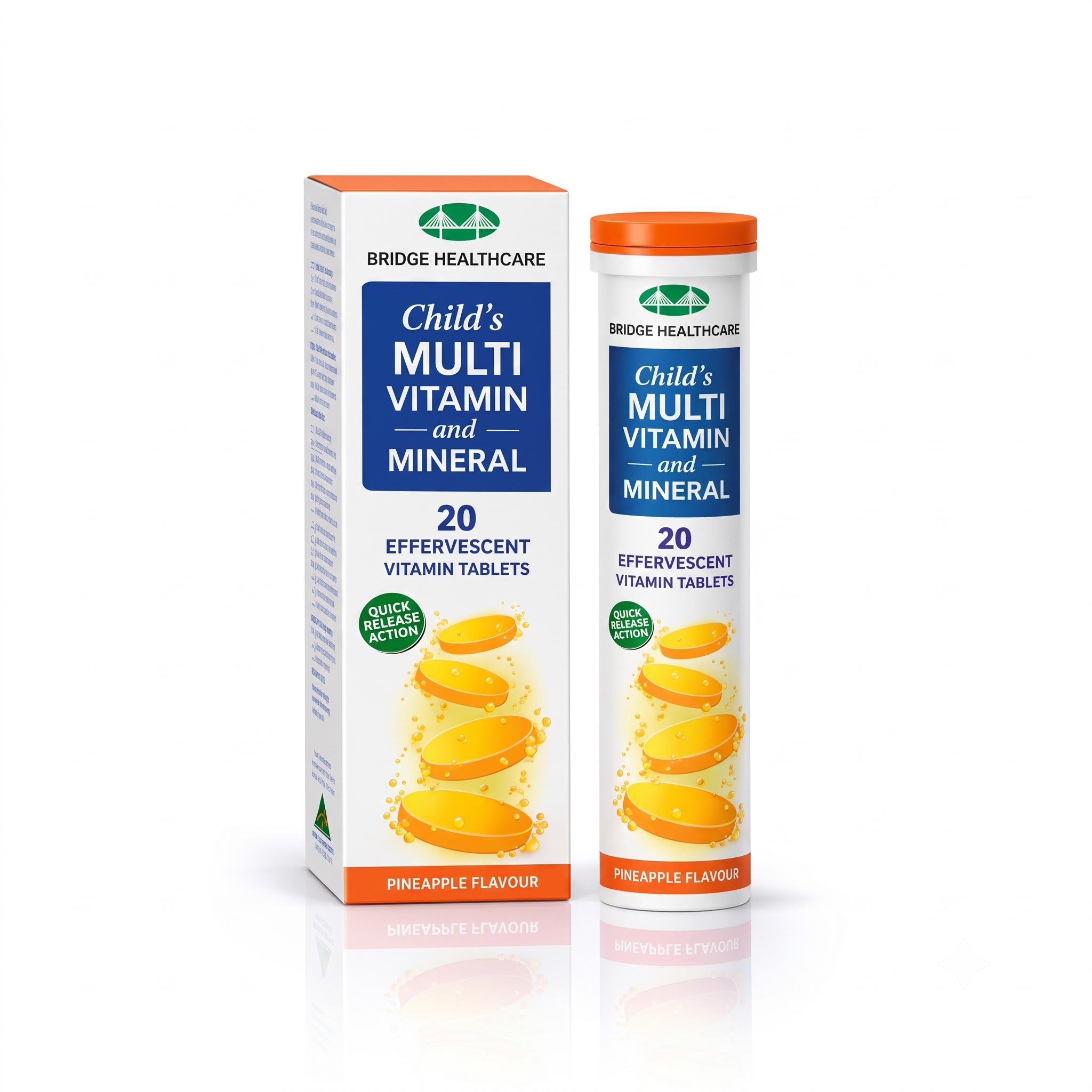
CHILD'S MULTIVITAMIN AND MINERAL
Vitamin and mineral supplements, extra Vitamin C for children. As a therapeutic nutritional adjunct in conditions where the absorption of vitamins and minerals is suboptimal
Qualitative and Quantitative Composition
Each tablet contains:
Betacaroten 300 mcg
Thiamine nitrate (Vit B1) 1 mg
Riboflavine (as Sodium Phosphate ) 1.2 mg
Nicotinamide 15 mg
Calcium Pantothenate 5 mg
Pyridoxine hydrochloride ( Vit B6) 1 mg
d-alpha-Tocopheryl Acetate ( Vit E) 6 mg
Ascorbic acid ( Vit C) 50 mg
Biotin ( Vit H) 50 mcg
Folic Acid 100 mcg
Calcium ( as carbonate 62.5 mg
And pantothenate 5mg ) 25 mg
Iron (as ferrous gluconate) 3 mg
Zinc (as sulfate) 5 mg
Magnesium (as sulfate dried) 5 mg
Potassium (as sulfate) 10 mg
Manganese ( as sulfate ) 50 mcg
Each tablet also contains 1.1g sucrose and 221 mg sodium.
Also contains sodium choloride and saccharine
Betacaroten 300 mcg
Thiamine nitrate (Vit B1) 1 mg
Riboflavine (as Sodium Phosphate ) 1.2 mg
Nicotinamide 15 mg
Calcium Pantothenate 5 mg
Pyridoxine hydrochloride ( Vit B6) 1 mg
d-alpha-Tocopheryl Acetate ( Vit E) 6 mg
Ascorbic acid ( Vit C) 50 mg
Biotin ( Vit H) 50 mcg
Folic Acid 100 mcg
Calcium ( as carbonate 62.5 mg
And pantothenate 5mg ) 25 mg
Iron (as ferrous gluconate) 3 mg
Zinc (as sulfate) 5 mg
Magnesium (as sulfate dried) 5 mg
Potassium (as sulfate) 10 mg
Manganese ( as sulfate ) 50 mcg
Each tablet also contains 1.1g sucrose and 221 mg sodium.
Also contains sodium choloride and saccharine
Effects on ability to drive and use machines
None anticipated
Therapeutic Indications
Vitamin and mineral supplements can help children with special nutrient needs or marginal intakes achieve adequate intakes. Taking a daily multivitamin and mineral supplement helps fill nutritional gaps in children with poor diets, supports blood nutrient levels, and may offer modest cognitive benefits.
Posology and method of administration
Children 4 to 12 years : take one tablet dissolved in a small glass of water- about 100ml- daily, or as professionally directed
Contraindications
Hypersensitivity to any of the ingredients of Kids Multivitamin and Mineral Tablets
Hypercalcaemia, haemochromatosis and other iron storage disorders.
Patients allergic to peanut or soya should not take this medicine
Hypercalcaemia, haemochromatosis and other iron storage disorders.
Patients allergic to peanut or soya should not take this medicine
Special warnings and precautions for use
The recommended daily dose of one tablet per day must not be exceeded unless under the supervision of a Doctor or Pharmacist.
A slight yellow discolouration of urine may be noticed. This effect is harmless and is due to the vitamin B2 contained in the preparation
A slight yellow discolouration of urine may be noticed. This effect is harmless and is due to the vitamin B2 contained in the preparation
Interaction with other medicinal products and other form of interaction
No interactions have been reported. However, interactions between micro-nutrients and other medicines may occur.
Pregnancy and lactation
If you are pregnant or breastfeeding your baby while using Child’s Multivitamin and Mineral Tablets please consult your doctor, pharmacist or other health care professional for advice
Undesirable effects
Undesirable effects are listed by MedDRA System Organ Classes.
Assessment of undesirable effects is based on the following frequency groupings:
Very common: ≥1/10
Common: ≥1/100 to <1/10
Uncommon: ≥1/1,000 to <1/100
Rare: ≥1/10,000 to <1/1,000
Very rare: <1/10,000
Not known: cannot be estimated from the available data
Immune system disorders:
Not known: Hypersensitivity reaction (such as rash)
Gastrointestinal disorders:
Not known: Gastrointestinal disturbances (such as nausea, vomiting and abdominal pain
If any of the allergic reactions occur, you should stop taking this medicine
and seek medical advice immediately.
Assessment of undesirable effects is based on the following frequency groupings:
Very common: ≥1/10
Common: ≥1/100 to <1/10
Uncommon: ≥1/1,000 to <1/100
Rare: ≥1/10,000 to <1/1,000
Very rare: <1/10,000
Not known: cannot be estimated from the available data
Immune system disorders:
Not known: Hypersensitivity reaction (such as rash)
Gastrointestinal disorders:
Not known: Gastrointestinal disturbances (such as nausea, vomiting and abdominal pain
If any of the allergic reactions occur, you should stop taking this medicine
and seek medical advice immediately.
Pharmacodynamic properties
Betacaroten : Beta-carotene is a type of nutrient called a carotenoid that your body can use to make vitamin A. Your body only turns beta-carotene to vitamin A when it is needed. Vitamin A is an important fat-soluble vitamin that supports your immune system, vision, reproductive health, and fetal growth..
Thiamine nitrate (Vit B1): Thiamine, also known as thiamin or vitamin B1, is one of the B vitamins. Thiamine helps to turn food into energy and to keep the nervous system healthy. Your body is not able to make thiamine for itself.
Riboflavine (as Sodium Phosphate ) : they function as coenzymes for many oxidases and redunctases such as cytochrome e reductase, D- and L-amino acid oxidases, xanthine and aldehyde oxidase, succinic dehydrogenase, glucose oxidase and fumaric dehydrogenase. Riboflavin is also involved with pyridoxine in the conversion of tryptophan to nicotinic acid and is most important in the respiration of poorly vascularized tissues such as the cornea of the eye. Riboflavin is involved in the retinal pigment during light adaptation and lack of it causes impaired vision and photophobia in experimental animals
Nicotinamide : Nicotinamide mononucleotide (NMN) is a type of molecule called a nucleotide. Nucleotides play many roles in your body, including as the building blocks of DNA.
Within your cells, NMN is converted into another molecule known as nicotinamide adenine dinucleotide (NAD). Your body needs NAD for a variety of functions involved in metabolism and energy production.
Calcium Pantothenate : Calcium Pantothenate, also known as vitamin B5, is a vital nutrient that is often referred to as the "anti-stress vitamin."Calcium Pantothenate targets a broad range of biological processes. It is crucial in synthesizing coenzyme-A (CoA), an enzyme necessary for fatty acid metabolism and the Krebs cycle, which generates cellular energy. Current research is exploring its potential in treating conditions like adrenal insufficiency, stress-related disorders, and metabolic syndromes, although the most common indication remains as a dietary supplement to prevent or treat pantothenic acid deficiency.
Pyridoxine hydrochloride ( Vit B6): Pyridoxal phosphate is the coenzyme, codecarboxylase, involved in the decarboxylation of amino acids. It is also the co-factor of the 22 different transaminases present in animal tissues. Many neuro hormones require pyridoxal phosphate as a coenzyme in their synthesis. Pyridoxine is also involved in fat metabolism, especially of the essential fatty acids. It is involved in the synthesis of messenger RNA which determines amino acids sequence in polypeptide synthesis. Pyridoxine plays a most important role in protein metabolism
D-alpha-Tocopheryl Acetate ( Vit E): It acts as an antioxidant that protects cells from damage, supports immune function, softens and moisturizes skin, and strengthens the skin barrier. The tocopherols act as extra and intracellular antioxidants to maintain homeostasis of labile metabolites in the cell and tissue plasma. As physiological antioxidants, these usually protect oxidizable vitamins and labile unsaturated fatty acids.The tocopherols act as free radical traps to stop the chain reaction during peroxide formation and stabilize unsaturated carbon bonds of polyunsaturated fatty acids and other long-chain labile compounds.
Vitamin E is involved in the maintenance of normal blood capillary permeability and the integrity of heart muscle.
Ascorbic acid ( Vit C) : L-ascorbic acid acts as a biological reducing agent in hydrogen transport. It is involved in many enzyme systems for hydroxylation. It is involved in the detoxification of aromatic drugs and also acts in the production of adrenal steroids. Ascorbic acid is necessary for the formation of hydroxy proline which is a constituent of collagen, a component of intercellular material in bones and soft tissues. Ascorbic acid plays a synergistic role with vitamin E as intracellular antioxidants and free radical traps.
Biotin ( Vit H) : Biotin is required in several specific carboxylation and decarboxylation reactions, including the carboxylation of pyruvic acid to form oxaloacetic acid. It is part of the coenzyme of several carboxylating enzymes fixing CO2 such as propionyl coenzyme A involved in the conversion of propionic acid to succinic acid in methylmalonyl coenzyme A. Biotin is also involved in the conversion of acetyl CO2 to malonyl coenzyme A in the formation of long chain fatty acids.
Folic Acid : Folic acid is required for normal blood cell formation and is involved as a coenzyme in one-carbon transfer mechanisms. Folic acid is involved in the conversion of megaloblastic bone marrow to normoblastic type. It has a role in blood glucose regulation and improves cell membrane function and hatchability of eggs.
Calcium ( as carbonate 62.5 mg and pantothenate 5mg ) : Calcium is the most abundant mineral in the human body. About 99% of it is stored in bones and teeth to give them strength. The remaining 1% in blood and tissues supports vital tasks like :
Thiamine nitrate (Vit B1): Thiamine, also known as thiamin or vitamin B1, is one of the B vitamins. Thiamine helps to turn food into energy and to keep the nervous system healthy. Your body is not able to make thiamine for itself.
Riboflavine (as Sodium Phosphate ) : they function as coenzymes for many oxidases and redunctases such as cytochrome e reductase, D- and L-amino acid oxidases, xanthine and aldehyde oxidase, succinic dehydrogenase, glucose oxidase and fumaric dehydrogenase. Riboflavin is also involved with pyridoxine in the conversion of tryptophan to nicotinic acid and is most important in the respiration of poorly vascularized tissues such as the cornea of the eye. Riboflavin is involved in the retinal pigment during light adaptation and lack of it causes impaired vision and photophobia in experimental animals
Nicotinamide : Nicotinamide mononucleotide (NMN) is a type of molecule called a nucleotide. Nucleotides play many roles in your body, including as the building blocks of DNA.
Within your cells, NMN is converted into another molecule known as nicotinamide adenine dinucleotide (NAD). Your body needs NAD for a variety of functions involved in metabolism and energy production.
Calcium Pantothenate : Calcium Pantothenate, also known as vitamin B5, is a vital nutrient that is often referred to as the "anti-stress vitamin."Calcium Pantothenate targets a broad range of biological processes. It is crucial in synthesizing coenzyme-A (CoA), an enzyme necessary for fatty acid metabolism and the Krebs cycle, which generates cellular energy. Current research is exploring its potential in treating conditions like adrenal insufficiency, stress-related disorders, and metabolic syndromes, although the most common indication remains as a dietary supplement to prevent or treat pantothenic acid deficiency.
Pyridoxine hydrochloride ( Vit B6): Pyridoxal phosphate is the coenzyme, codecarboxylase, involved in the decarboxylation of amino acids. It is also the co-factor of the 22 different transaminases present in animal tissues. Many neuro hormones require pyridoxal phosphate as a coenzyme in their synthesis. Pyridoxine is also involved in fat metabolism, especially of the essential fatty acids. It is involved in the synthesis of messenger RNA which determines amino acids sequence in polypeptide synthesis. Pyridoxine plays a most important role in protein metabolism
D-alpha-Tocopheryl Acetate ( Vit E): It acts as an antioxidant that protects cells from damage, supports immune function, softens and moisturizes skin, and strengthens the skin barrier. The tocopherols act as extra and intracellular antioxidants to maintain homeostasis of labile metabolites in the cell and tissue plasma. As physiological antioxidants, these usually protect oxidizable vitamins and labile unsaturated fatty acids.The tocopherols act as free radical traps to stop the chain reaction during peroxide formation and stabilize unsaturated carbon bonds of polyunsaturated fatty acids and other long-chain labile compounds.
Vitamin E is involved in the maintenance of normal blood capillary permeability and the integrity of heart muscle.
Ascorbic acid ( Vit C) : L-ascorbic acid acts as a biological reducing agent in hydrogen transport. It is involved in many enzyme systems for hydroxylation. It is involved in the detoxification of aromatic drugs and also acts in the production of adrenal steroids. Ascorbic acid is necessary for the formation of hydroxy proline which is a constituent of collagen, a component of intercellular material in bones and soft tissues. Ascorbic acid plays a synergistic role with vitamin E as intracellular antioxidants and free radical traps.
Biotin ( Vit H) : Biotin is required in several specific carboxylation and decarboxylation reactions, including the carboxylation of pyruvic acid to form oxaloacetic acid. It is part of the coenzyme of several carboxylating enzymes fixing CO2 such as propionyl coenzyme A involved in the conversion of propionic acid to succinic acid in methylmalonyl coenzyme A. Biotin is also involved in the conversion of acetyl CO2 to malonyl coenzyme A in the formation of long chain fatty acids.
Folic Acid : Folic acid is required for normal blood cell formation and is involved as a coenzyme in one-carbon transfer mechanisms. Folic acid is involved in the conversion of megaloblastic bone marrow to normoblastic type. It has a role in blood glucose regulation and improves cell membrane function and hatchability of eggs.
Calcium ( as carbonate 62.5 mg and pantothenate 5mg ) : Calcium is the most abundant mineral in the human body. About 99% of it is stored in bones and teeth to give them strength. The remaining 1% in blood and tissues supports vital tasks like :
- Formation of bone and teeth
- Muscle contraction
- Normal functioning of many enzymes
- Blood clotting
- Normal heart rhythm
Iron (as ferrous gluconate) : Iron is a vital mineral that helps your body to produce hemoglobin, a protein in your red blood cells. Hemoglobin carries oxygen from your lungs to the rest of your body. Iron also helps create the protein myoglobin, which provides oxygen to your muscles.
Zinc (as sulfate) : Zinc is vital for normal immune system function and wound healing. In addition, the body needs zinc for bone growth, the production of hormones such as insulin and testosterone, sperm production, and fetal development. Your body also needs zinc in order to smell and taste. The body cannot store zinc, so you must get it daily from food or supplements
Magnesium (as sulfate dried) : Magnesium is a key mineral that helps with over 300 chemical reactions in the human body. It keeps your muscles and nerves working well, builds strong bones, makes energy, and helps control your blood pressure and blood sugar
Potassium (as sulfate) : Potassium is an essential mineral and electrolyte that regulates fluid balance, transmits nerve signals, and controls muscle contractions, including the steady beating of the heart. Most of the body's potassium lives inside cells, working constantly to maintain normal cellular function and healthy blood pressure.
Manganese ( as sulfate ) : Manganese is an essential trace mineral that the body needs for normal growth, metabolism, and antioxidant defense. It helps form strong bones, supports the nervous system, and aids in processing carbohydrates, amino acids, and cholesterol.
Pharmacokinetic properties
Betacaroten
- Absorption :
Beta-carotene is absorbed into the cells of the intestinal lining by lipid transporters. Previtamin A carotenoids from plants (such as beta-carotene) are less efficient (20–50%) and are easily transformed.
The enzyme BCO1 (or BCMO1) performs central cleavage at the 15.15’ double bond, transforming one beta-carotene molecule into two retinal molecules (retinaldehyde). Retinal is then converted to retinol (the alcoholic form of vitamin A). Retinol is attached to a fatty radical to become a retinyl ester, which is packaged into chylomicrons for transport through the lymphatic system and stored primarily in the liver.
The enzyme BCO1 (or BCMO1) performs central cleavage at the 15.15’ double bond, transforming one beta-carotene molecule into two retinal molecules (retinaldehyde). Retinal is then converted to retinol (the alcoholic form of vitamin A). Retinol is attached to a fatty radical to become a retinyl ester, which is packaged into chylomicrons for transport through the lymphatic system and stored primarily in the liver.
- Distribution
Retinol is released from the liver into the bloodstream and binds to specialized proteins such as Retinol-Binding Protein (RBP) and transthyretin. This release depends on the amount of protein and zinc in the body.
- Metabolism
Vitamin A consists of three biologically active molecules, retinol, retinal (retinaldehyde), and retinoic acid, all derived from the plant precursor molecule, β-carotene.
Vitamin A metabolizes into important bioactive forms depending on tissue needs, including 11-cis-retinal (for vision) and all-trans-retinoic acid (for cell differentiation and growth). Oxidation and conjugation take place mainly in the liver and target tissues to form less active metabolites
Vitamin A metabolizes into important bioactive forms depending on tissue needs, including 11-cis-retinal (for vision) and all-trans-retinoic acid (for cell differentiation and growth). Oxidation and conjugation take place mainly in the liver and target tissues to form less active metabolites
- Elimination
The metabolites of vitamin A are excreted mainly in the urine (renal tract) and through feces (through bile from the liver). When the intake exceeds the liver's reserve capacity, the system can become saturated, leading to vitamin A poisoning due to elevated free levels in the circulatory system
Thiamine nitrate (Vit B1)
Thiamine nitrate (Vit B1)
- Absorption and Bioavailability
Active Transport: Dominant at low doses; historically estimated to limit single-dose absorption to 4.8–8.3 mg, though newer data suggests passive pathways significantly increase uptake at higher doses.
Passive Diffusion: Becomes significant at pharmacological doses, allowing for linear, non-saturable absorption up to 1500 mg.
Passive Diffusion: Becomes significant at pharmacological doses, allowing for linear, non-saturable absorption up to 1500 mg.
- Bioavailability: Oral thiamine hydrochloride has a bioavailability of approximately 3.7% to 5.3% at standard doses, but higher doses result in disproportionately higher plasma concentrations.
- Distribution and Elimination
Distribution: Thiamin is widely distributed in the body, with limited storage (approximately 20–30 mg total). It crosses into red blood cells rapidly, maintaining equilibrium between plasma and whole blood.
Half-Life: The elimination half-life is short, ranging from 1 to 12 hours (specifically ~2.97–4.78 hours in high-dose studies), necessitating regular intake or dosing.
Half-Life: The elimination half-life is short, ranging from 1 to 12 hours (specifically ~2.97–4.78 hours in high-dose studies), necessitating regular intake or dosing.
- Excretion: Excess thiamin is primarily excreted by the kidneys as free thiamin and metabolites. At physiological doses, excretion is minimal, but saturation leads to significant urinary recovery (e.g., 53% of a dose within 24 hours for some formulations).
Riboflavine (as Sodium Phosphate )
- Absorption of riboflavin occurs via a saturable, active transport mechanism in the proximal small intestine. The absorption half-life is approximately 1.1 hours, and uptake is facilitated by bile salts, meaning consumption with a meal improves bioavailability.
Distribution involves rapid conversion into flavocoenzymes; riboflavin is phosphorylated to flavin mononucleotide (FMN) in the gastrointestinal mucosa, erythrocytes, and liver, which is then converted to flavin adenine dinucleotide (FAD) in the liver. In blood plasma, about 60% of
- FAD and FMN is protein-bound, and the vitamin readily crosses the placenta.
- Elimination is characterized by a short biological half-life of 66 to 84 minutes following oral or intravenous administration. Urinary excretion is the primary removal pathway, accounting for approximately half of the overall clearance from plasma, with about 9% of usual physiologic doses excreted unchanged.
Nicotinamide
- Absorption and Peak Concentration
Oral absorption is rapid, with peak plasma concentrations typically reached within 0.75 to 3 hours after ingestion.
- Elimination and Half-Life
The elimination half-life is dose-dependent, ranging from approximately 1.5 hours for a 1-g dose to 7–9 hours for 4–6 g doses.
- Metabolism and Distribution
Nicotinamide undergoes extensive hepatic metabolism, with primary metabolites including nicotinamide N-oxide, 2-pyridone, and 1-methylnicotinamide. It distributes widely.
Calcium Pantothenate (Vit B5)
- Absorption and Transport : Pantothenic acid (Vitamin B5) is rapidly absorbed in the intestine, primarily via a saturable, sodium-dependent active transport system. At typical dietary levels, bioavailability is approximately 50%; however, at high doses, the transport system saturates, and absorption occurs via passive diffusion. Peak plasma concentrations are reached within 1 to 2 hours post-dose, and food consumption can delay this absorption peak by approximately 2 hours.
- Distribution and Metabolism : Upon absorption, pantothenic acid is delivered directly into the bloodstream and distributed into extracellular fluids. It is rapidly taken up by tissues, including the liver, where it is converted into coenzyme A (CoA) and phosphopantetheine. The synthesis of CoA is regulated by pantothenate kinase, which is inhibited by end products CoA and acyl CoA. In humans, the vitamin is widely distributed, with normal whole-blood concentrations ranging from 1.6 to 2.7 μmol/L.
- Excretion : The primary route of elimination is urinary excretion, with approximately 70% of an oral dose excreted unchanged. Low urinary excretion (<1 mg/day) suggests deficiency.
Pyridoxine hydrochloride ( Vit B6)
Calcium Pantothenate (Vit B5)
- Absorption and Transport : Pantothenic acid (Vitamin B5) is rapidly absorbed in the intestine, primarily via a saturable, sodium-dependent active transport system. At typical dietary levels, bioavailability is approximately 50%; however, at high doses, the transport system saturates, and absorption occurs via passive diffusion. Peak plasma concentrations are reached within 1 to 2 hours post-dose, and food consumption can delay this absorption peak by approximately 2 hours.
- Distribution and Metabolism : Upon absorption, pantothenic acid is delivered directly into the bloodstream and distributed into extracellular fluids. It is rapidly taken up by tissues, including the liver, where it is converted into coenzyme A (CoA) and phosphopantetheine. The synthesis of CoA is regulated by pantothenate kinase, which is inhibited by end products CoA and acyl CoA. In humans, the vitamin is widely distributed, with normal whole-blood concentrations ranging from 1.6 to 2.7 μmol/L.
- Excretion : The primary route of elimination is urinary excretion, with approximately 70% of an oral dose excreted unchanged. Low urinary excretion (<1 mg/day) suggests deficiency.
Pyridoxine hydrochloride ( Vit B6)
- Pyridoxine (Vitamin B6) is rapidly and nearly completely absorbed from the gastrointestinal tract, with an estimated oral bioavailability of 100%. It undergoes extensive metabolism in the liver, where it is inactivated to 4-pyridoxic acid, while its active form, pyridoxal-5'-phosphate (PLP), is highly protein-bound and stored primarily in the liver, with lesser amounts in muscle and brain.
- The elimination half-life varies by form: inactive 4-pyridoxic acid has a long elimination half-life of approximately 15 to 20 days, whereas the half-life of free pyridoxine is much shorter (around 0.5 hours for the parent compound, though total body half-life estimates range up to 20–33 days due to tissue storage).
- Excess vitamin B6 is excreted rapidly in the urine as 4-pyridoxic acid and, at high doses, as unchanged pyridoxine, facilitated by active tubular secretion
d-alpha-Tocopheryl Acetate ( Vit E) - Absorption and Bioavailability
- Fractional absorption of d-alpha-tocopherol is approximately 55–70%, depending on dietary fat intake and formulation.
Time to peak concentration for oral d-alpha-tocopherol is typically 7–12 hours. - Bioavailability is enhanced by dietary fat (e.g., 40% fat meals) and nanoformulations, which improve uptake and reduce the slow chylomicron secretion process.
- Distribution and Elimination
- d-alpha-tocopherol is swiftly distributed to all lipoprotein fractions (TRL, LDL, HDL) after reaching the liver via VLDL.
Ascorbic acid ( Vit C)
- Oral Absorption and Distribution Absorption is mediated by saturable sodium-dependent vitamin C transporters (SVCTs) in the small intestine. At moderate intakes (30–180 mg/day), absorption is 70–90% efficient, but drops to <50% at doses above 1 g/day. Plasma concentrations typically return to a steady-state baseline of 70–85 µmol/L within 24 hours.
- Elimination and Excretion
Renal clearance is the dominant elimination pathway. The kidneys tightly reabsorb vitamin C at low plasma levels, but this mechanism saturates at higher concentrations, leading to quantitative urinary excretion of unmetabolized ascorbate.
Biotin ( Vit H) - Biotin is rapidly absorbed after oral ingestion, reaching peak plasma concentrations within 1 to 2 hours. It exhibits a linear pharmacokinetic profile over typical supplemental doses, with an effective serum half-life of approximately 15 hours, though this can range from 1.8 to 18.8 hours depending on the dose. Steady-state concentrations are generally achieved after 3 days of continuous supplementation.
- Peak serum levels are dose-dependent. Normal baseline circulating concentrations in supplemented individuals are very low, typically ranging from 0.1 to 0.8 ng/mL.
- Elimination occurs primarily through urinary excretion, with clearance potentially impaired in individuals with renal dysfunction.
-
Folic Acid
Folic Acid - Folic acid is primarily absorbed in the proximal jejunum via active transport. Synthetic folic acid is at least 85% absorbed when consumed with food,
- Upon absorption, folic acid is transported in the plasma mainly as 5-methyl tetrahydrofolate (5-MTHF), which is the form taken up by tissues. The liver stores approximately 5 to 10 mg of folate, sufficient for about 3 to 4 months, and converts folate into active tetrahydrofolate derivatives through dihydrofolate reductase action,
- Excretion occurs mainly in the urine, with small amounts in bile. Peak serum levels of folic acid occur 30–60 minutes after oral administration, and the half-life and clearance are influenced by the conversion rate of folic acid to active forms.
-
Calcium ( as carbonate and pantothenate) - The pharmacokinetics of calcium involve absorption primarily in the intestines, distribution where 99% is stored in the skeleton and 1% in extracellular fluids, and elimination via feces (80%) and urine (20%).
- Oral bioavailability varies by salt form and is influenced by food and anions; The intestinal residence time can be prolonged by certain foods or anions, which may enhance absolute bioavailability.
-
Iron (as ferrous gluconate) - Oral Iron Absorption is tightly regulated by the duodenal enterocytes and hepcidin levels, with typical absorption limited to 1–2 mg/day in steady-state conditions, though this can rise to 80–95% in iron deficiency. High oral doses exceed the active absorption capacity (~25–30 mg/day), leading to passive paracellular uptake that causes gastrointestinal side effects without proportionally increasing bioavailability.
- Zinc (as sulfate)
- Absorption and Bioavailability
- Incompletely absorbed from the digestive tract. Approximately 20% to 30% of the oral dose reaches systemic circulation. Peak plasma concentrations are typically achieved within a couple of hours following ingestion.
Shows enteric recycling and homeostatic regulation via endogenous gastrointestinal secretion. - Distribution
- Around 50% to 80% binds to albumin, with smaller amounts bound to amino acids and α?-macroglobulins. Widely distributed in the body. High concentrations accumulate in the hair, eyes, prostate and male reproductive organs, and bones. Lower levels appear in the liver, kidneys, and skeletal muscle. Can cross the placenta and pass into breast milk.
- Excretion
- Primarily excreted via the feces (about 40% or more of unabsorbed and secreted zinc). Small amounts are eliminated through urine and perspiration.
Magnesium (as sulfate dried) - Absorption
- Mostly absorbed in the small intestine (jejunum and ileum).
Oral absorption ranges from 30% to 50%, depending on the body's magnesium status and the dose. - Distribution
- Total body magnesium is about 24 grams. About 60% resides in bones, 39% in intracellular spaces (muscles and soft tissues), and less than 1% in extracellular fluid (blood plasma/serum). About 30% to 40% of serum magnesium binds to plasma proteins (mostly albumin).
- Metabolism
- Magnesium is an elemental ion and does not undergo hepatic metabolism by the cytochrome P450 system.
- Excretion
- The kidneys are the main regulators of magnesium balance. The kidneys reabsorb most filtered magnesium in the loop of Henle and distal convoluted tubule, excreting the excess in urine. Small amounts are lost through the gastrointestinal tract (feces) and sweat.
Potassium (as sulfate) - Absorption :
- Potassium is absorbed via passive diffusion, primarily in the small intestine. About 90% of ingested potassium is absorbed and used to maintain its normal intracellular and extracellular
concentrations. - Excretion:
- Potassium is excreted primarily in the urine, some is excreted in the stool, and a very small amount is lost in sweat. The kidneys control potassium excretion in response to changes in dietary intakes, and potassium excretion increases rapidly in healthy people after
potassium consumption, unless body stores are depleted. The kidneys can adapt to variable potassium intakes in healthy individuals, but a minimum of 5 mmol (about 195 mg) potassium is
excreted daily in urine. This, combined with other obligatory losses, suggests that potassium balance cannot be achieved with intakes less than about 400–800 mg/day
Manganese ( as sulfate ) - Absorption
- Absorbed primarily through the gastrointestinal tract (ingestion) and respiratory tract (inhalation), and directly via the olfactory nerve when inhaled. Intestinal absorption is low (typically 3% to 5% of dietary intake) and increases during deficiency or decreases with high intake. Shared transport pathways with iron mean that iron deficiency can enhance manganese absorption and alter blood clearance.
- Distribution
- Absorbed manganese is rapidly cleared from the bloodstream. Initially concentrates in the liver, pancreas, kidneys, and intestines. Manganese crosses the blood-brain barrier and accumulates in specific brain regions like the basal ganglia (globus pallidus and striatum), which are primary targets for neurotoxicity. Transported into cells and organelles via specific mechanisms (such as SLC30A10 and SPCA1) where the Golgi apparatus acts as a key regulatory and storage site.
- Metabolism and Excretion
- The human body maintains balance almost entirely by regulating excretion via the liver into the bile, which passes into the feces (enterohepatic circulation). Renal clearance is minimal, accounting for less than 0.01% to 1% of total body elimination. The elimination follows a biphasic pattern (a fast phase of a few days followed by a slow phase) with an overall whole-body half-life of 2 to 5 weeks in humans, depending on existing body stores.
List of excipients
Acesulfame potassium, aspartame, citric acid, sodium bicarbonate, sodium carbonate, sodium chloride and pineapple flavour
Incompatibilities
No major incompatibilities are known
Shelf life
24 months
Special precautions for storage
Store below 250 C. Do not use if safety seal around cap is broken or missing.
Keep out of reach of children.
Read carefully the package insert before using
Keep out of reach of children.
Read carefully the package insert before using
Marketing authorisation number
To be allocated
Marketing authorisation holder
BRIDGE HEALTHCARE PTY.LTD
Suite106,10 Edgeworth David Avenue, Hornsby NSW 2077, Australia.
Suite106,10 Edgeworth David Avenue, Hornsby NSW 2077, Australia.
Same Category